
Is College Admissions Consulting Worth It? 7 Proven Reasons
If you’re a parent researching whether to hire a college admissions consultant, you’ve probably already experienced some sticker shock. Packages can run anywhere from $4,000 to $30,000 or more, and you’re wondering: is college admissions consulting worth it, or is this just another expense in an already expensive process?

I’ll be upfront with you. I used to believe that any motivated student with enough discipline could handle the college admissions process on their own using free resources. And honestly, that’s still partially true. But after spending years in this industry and watching the numbers play out, my perspective has shifted. The data tells a story that’s hard to ignore, and I want to walk you through exactly what I’ve seen.
The Reality of College Admissions in 2026:
Acceptance Rates Keep Dropping
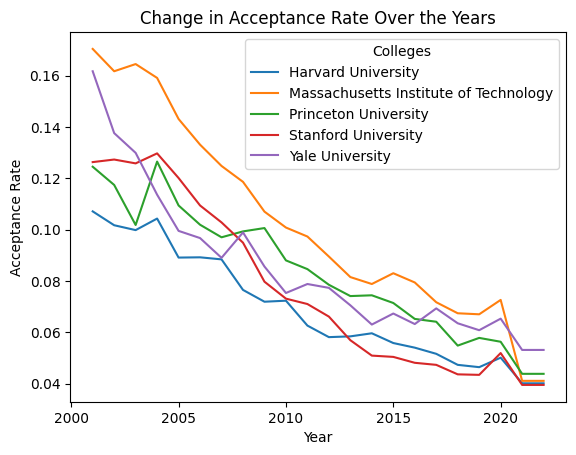
Let’s start with why this question even matters right now. College admissions has become dramatically more competitive over the past decade. In 2025, acceptance rates at top schools dropped as low as 3.78%, according to IvyWise. Schools like Caltech, Harvard, and Stanford are hovering in the 2% to 5% range. And the trend is only accelerating because students are applying to more schools than ever, which drives acceptance rates down even further.
This isn’t the same process your parents went through. It’s not even the same process that existed ten years ago.
Your School Counselor Is (Most Likely) Stretched Thin
Here’s another piece of the puzzle most families don’t think about. The national student-to-school-counselor ratio sits at 372-to-1 as of the 2024-2025 school year. The American School Counselor Association recommends 250-to-1. That means your child’s school counselor is likely juggling hundreds of students while also dealing with mental health support, scheduling, and administrative tasks. College admissions guidance? It’s one slice of a very full plate.
What Admissions Consultants Actually Do:
It’s Not Just About Filling Out Applications
One of the biggest misconceptions I see is that people think admissions consultants just help students fill out forms and hit deadlines. That’s the bare minimum. The real value goes much deeper.
A good consultant helps students with strategic school list building (matching reach, target, and safety schools to the student’s actual profile), essay development and coaching, extracurricular planning and narrative building, interview preparation, financial aid and scholarship strategy, and overall timeline management across junior and senior year
The Essay Advantage Is Real
Here’s something I feel strongly about, and it’s one of the main reasons I believe consulting is college admissions consulting worth it for most families who can afford it. The biggest challenge students face is understanding the difference between a good English essay and a good college admissions essay. There is a massive gap between the two.
I’ve seen students who get straight A’s in English, whose teachers rave about their writing, and they still produce college essays that would land in the rejection pile. Why? Because what admissions officers look for is fundamentally different from what English teachers grade on. A college essay isn’t about demonstrating writing skill. It’s about revealing who you are as a person in a way that makes an admissions officer remember you out of tens of thousands of applicants.
A skilled admissions consultant doesn’t write the essay for the student. They help the student find their own voice, identify the stories that actually matter, and craft a narrative that no other applicant could write. That kind of coaching is nearly impossible to get from a school counselor who’s managing 370+ students or from a well-meaning parent who has never sat on an admissions committee.
The Early Start Time Advantage
There’s another benefit that doesn’t get discussed enough. When a student starts working with a consultant early (sophomore year or even freshman year of high school), they gain something that’s incredibly hard to replicate later: direction.
If a student can identify their genuine interests and sense of purpose early on, they can spend the rest of high school building extracurriculars, pursuing projects, and developing a profile that tells a cohesive story. That kind of depth is simply very difficult to compete against when another student is scrambling to build a resume during the summer before senior year.
This is the time advantage that I think justifies the cost more than almost anything else. You can’t manufacture three years of focused extracurricular development in three months.
What the Numbers Say:
Consultant Outcomes Are Hard to Argue With
Let’s look at some real data. Companies like Crimson Education report that their students are 7x more likely to gain admission to the Ivy League compared to the general applicant pool. They claim over 1,330 Ivy League acceptances and report that 98% of their students gain admission to at least one of their top-choice schools.
Now, there’s an important caveat here. Students who hire admissions consultants tend to already be high-achieving, motivated, and from families with resources. So there’s some selection bias baked into these numbers. But even accounting for that, the gap is significant. Consultants help strong students become even more competitive in ways that are difficult to achieve independently.
Research also shows that students who work with consultants are less likely to transfer schools, which is a problem that affects 37% of undergraduates and can add $12,000 to $26,000 per semester in additional costs. Some consultants report over 90% of their students graduate within four years, which is well above national averages.
The Cost Breakdown
So what are you actually looking at in terms of price? Here’s a realistic snapshot of the market in 2026:
Hourly sessions: $100 to $600 per hour for standard consultants, with premium consultants charging $1,000 or more per hour. Good for targeted help with essays or specific questions.
Essay-only packages: A few hundred to a few thousand dollars. Ideal if your student has the rest of the process handled but needs essay coaching.
Comprehensive packages: $4,000 to $12,000 for most families, according to the Independent Educational Consultants Association (IECA). This typically covers school list development, essay support, application review, and strategy.
Premium and elite services: $15,000 to $30,000+. Companies like Crimson Education fall into this category, offering multi-year engagements with teams of specialists, former admissions officers, and research mentors.
Location matters too. Consulting prices in New York, San Francisco, and Los Angeles tend to run 40% to 60% higher than the national average due to higher COL.
The Mindset Shift I Want Parents to Have:
Think of It as Prepaid Tuition
Here’s the reframe that changed my thinking, and it’s what I share with every parent who asks me is college admissions consulting worth it.
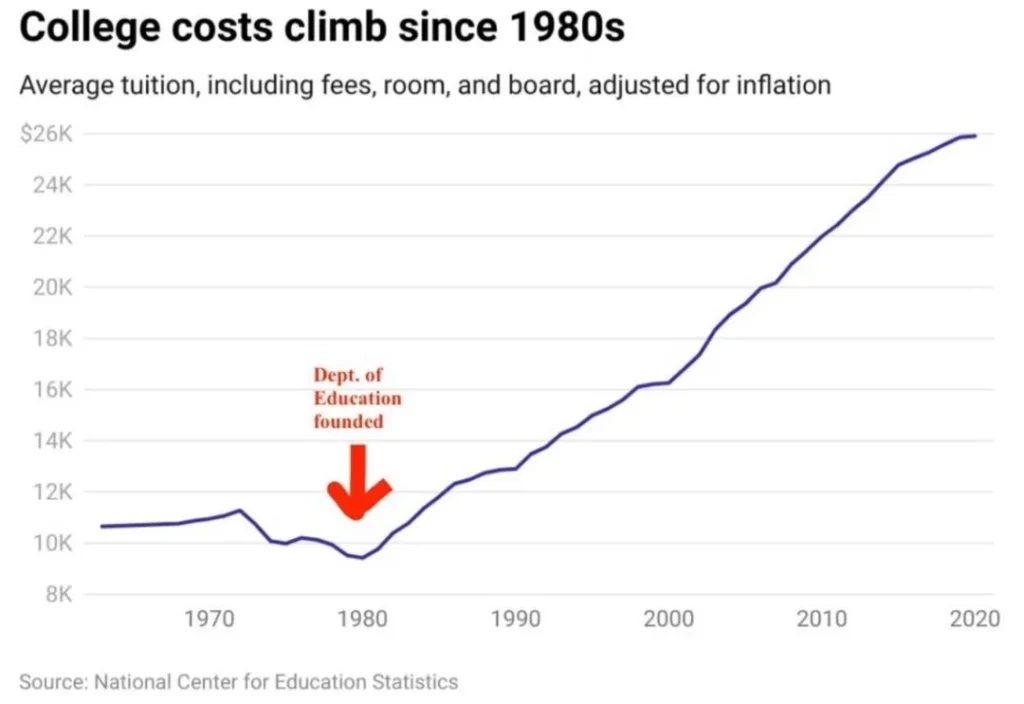
You’re going to pay for college tuition regardless. Whether your child attends a state school or a private university, that bill is coming. A comprehensive admissions consulting package, even at the high end, is a fraction of a single year’s tuition.
The average private university tuition is around $43,000 per year. Four years at an in-state public school averages over $46,000 total.
So the question isn’t really “can I afford admissions consulting?” The question is: “Would I pay a relatively small amount now to help my child land at a school that’s a better fit, with potentially better outcomes, better financial aid, and a stronger network?”
When you frame it as an upfront investment toward a better version of the tuition you’re already planning to pay, the math starts to look different.
And If Your Student Is Self-Funding?
If your child is planning to pay for college themselves (through loans, work, or scholarships), then admissions consulting becomes an even more interesting proposition. A few thousand dollars now could mean the difference between getting into a school with strong scholarship packages versus paying full sticker price somewhere else. Compared to the total cost of a college education, consulting is a much smaller financial commitment that can have an outsized impact.
When It’s Worth It (And When It Might Not Be)
Is College Admissions Consulting Worth It? Yes, If…
You’re targeting highly selective schools. If your student is aiming for schools with acceptance rates under 20%, the margins are razor-thin. Professional guidance can be the difference between a waitlist and an acceptance.
Your student struggles with essays or self-reflection. Some students are brilliant but can’t translate their experiences into compelling writing. This is exactly where a consultant earns their fee.
You want strategic extracurricular planning early. Starting in sophomore year or earlier? A consultant can help map out a multi-year plan that builds a cohesive application narrative.
Your school counselor is overloaded. If your child’s counselor manages 300+ students, they physically cannot provide the individualized attention your child needs for competitive applications. You can check out this video for further explanation.
You value peace of mind. The college admissions process is stressful for the entire family. Having an expert manage timelines, strategy, and the emotional rollercoaster has real value that goes beyond acceptances.
It Might Not Be Worth It If…
Your student is self-motivated and a strong researcher. Some students genuinely thrive with free resources. If your child is disciplined, organized, and willing to dig into forums, webinars, and school counselor meetings, they can navigate this process themselves. I still believe that.
You’re only applying to less selective schools. If your student’s target schools have 50%+ acceptance rates, the ROI on consulting drops significantly.
Your budget is extremely tight. If spending $4,000+ would create genuine financial strain, there are better ways to allocate those funds. Free resources like Khan Academy, your school counselor, and community-based programs can still get your student where they need to go.
Admissions Consulting Companies to Consider
If you’ve decided the investment makes sense, here are some of the most well-known names in the space:
Crimson Education is one of the largest global admissions consulting firms, known for their team-based approach where each student works with multiple specialists. They report over 1,330 Ivy League acceptances and their results are audited by a Big 4 accounting firm. Pricing starts around $15,000 for undergraduate admissions. Learn more at crimsoneducation.org.
PrepScholar takes a more tech-forward approach, combining algorithm-based test prep with admissions consulting. They’re known for hiring tutors with 99th-percentile test scores and offer a “Passion Project” program to help students develop standout extracurriculars. Learn more at prepscholar.com.
Empowerly is a data-driven platform that pairs students with counselors and focuses on personalized strategy, test prep, and academic advising. They’re a strong option for families who want a blend of technology and human guidance. Learn more at empowerly.com.
For more detailed breakdowns of specific consulting companies to pair your student with, fill out our free readiness scorecard to get a better understanding of your situation, and also be signed up for our free newsletter where we send college admissions consulting updates right to your email. Here it is: https://scorecard.collegeadmissionsdeals.com.
Free and Budget-Friendly Alternatives
I wouldn’t feel right writing this article without acknowledging that not every family can afford consulting. Here are legitimate alternatives:
Your high school counselor is still a resource, even if they’re stretched thin. Schedule dedicated meetings early and often. Khan Academy offers free SAT prep and college planning resources. Many colleges offer free virtual information sessions and webinars. Community-based organizations like QuestBridge and College Possible provide free mentoring for low-income students. Online YouTube channels (like ours) or community forums can provide peer support and shared knowledge about this admissions process.
These alternatives won’t rival the personalized, one-on-one attention of a paid consultant. But they can absolutely make a difference for students who are willing to put in the work.
The Bottom Line
So, is college admissions consulting worth it? My honest answer: for most families who can afford it, yes. The combination of expert essay coaching, strategic planning, deadline management, and the early-start time advantage creates a package of benefits that’s genuinely difficult to replicate on your own.
But “worth it” doesn’t mean “mandatory.” People who say that probably aren’t considering your situation in it’s entirety. Students get into incredible schools every year without consultants. The question is really about how much of an edge you want, how complex your child’s situation is, and whether the investment aligns with how you think about your child’s educational future.
If you’re still on the fence, I’d recommend starting with our free College Admissions Readiness Scorecard. It’ll help you understand where your student stands right now and whether professional consulting would make a meaningful difference for your specific situation.
And if you’re ready to explore your options, our guide to the best college admissions consultants breaks down the top companies by price, specialization, and approach so you can find the right fit.